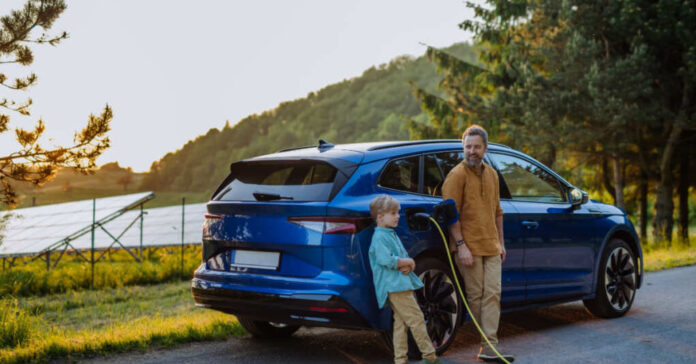
The electric vehicle (EV) market has experienced exponential growth in recent years, with more and more drivers exploring this eco-friendly alternative to traditional gas-powered cars. While the Biden administration continues to push consumers to buy EVs, it’s important to look at what you could be getting yourself into when you opt for an EV of any type, whether it’s a sedan, SUV, or pickup truck.
Some of the most common recalls in electric vehicles can actually lead to significant problems during ownership.
- Battery Management System Issues: Many recalls have been issued for battery-related problems, especially those affecting the vehicle’s battery management system (BMS). The BMS is responsible for controlling the charging and discharging of a battery pack to ensure its longevity and prevent overheating. If there are any issues with this system, it could lead to reduced range, loss of power, or even a fire.
- Faulty Coolant Pumps: One of the critical components in an electric vehicle is the coolant pump, which helps regulate the temperature within the battery pack. If there are any manufacturer defects, it can lead to the battery overheating and even exploding.
- Software and Firmware Updates: Electric vehicles rely heavily on software to control various components such as the motor, braking system, and infotainment system. Unfortunately, sometimes these software updates can introduce bugs or errors that can lead to safety issues or inefficiencies. Recalls are issued when these flaws are identified to ensure driver safety and improve overall performance.
- Brake Issues: Electric vehicles feature regenerative braking systems, which convert the kinetic energy from braking into electrical energy to recharge the battery. However, improper calibration or malfunctioning brakes can lead to an unexpected loss of power or inability to slow down. As a result, recalls are issued to correct these issues and restore confidence in the vehicle’s stopping capabilities.
- Faulty Charging Equipment: The charging infrastructure plays a crucial role in maintaining electric vehicles’ reliability and safety. It is essential that the equipment is compatible with various models and can charge effectively without causing damage to the battery or creating fire hazards. Recalls have been issued due to faulty chargers, both those supplied by automakers and third-party providers.
Automakers have invested heavily in research and development, and yet there are constant problems. You can find all sorts of incredulous stories online where people have had their EVs shut down on the highway, catch on fire, and even explode while on a charger.
When you combine the recalls with the other problems, the expense of going EV, and the task of finding a charger, you really have to ask yourself – is going EV the best option for you yet?