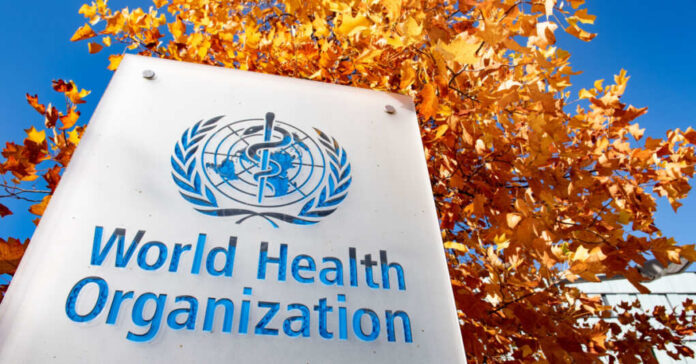
The World Health Organization would love for you to believe that they are what their name implies: a group focused on the health of the world. But as one of their latest schemes proves, they, like any government, are really just concerned with more money and power.
On Tuesday, WHO announced its plans to push for a rather high increase in taxes for all alcohol and sugary drink products.
According to them, should the price of these drinks be increased significantly (they are suggesting by 50 percent), people will more than likely stop buying them. Or at least not so often. And this, in turn, will create much healthier populations.
In particular, WHO cites a 2017 study that hypothesizes that should these high in sugar drinks be taxed more, it could “avert over 21 million deaths over 50 years and generate nearly US$17 trillion in additional revenues.”
WHO’s director of health promotion, Dr. Rudiger Krech, says, “Taxing unhealthy products creates healthier populations. It has a ripple effect across society – less disease and debilitation and revenue for governments to provide public services.” He also notes that a drop in alcohol use would also prevent “violence and road traffic injuries.”
Now, to be sure, the organization does make some good points.
We would probably all be much healthier if we quit drinking pop (or soda, depending on where you’re from), as well as limiting our alcohol intake.
However, the problem lies in the fact that increasing taxes to the point where only the rich can afford something doesn’t exactly fix anything.
Plus, it limits our freedoms.
Remember the British ridiculous taxing of colonists? What about Prohibition, when the US government temporarily banned alcohol?
Neither of those examples of tyranny turned out so well. The British were beaten in battle. And during Prohibition, only criminals got rich, causing crime to flourish.
We might also point out that WHO is really only concerned about that $17 trillion the tax could make them. After all, they answer to the World Economic Forum and China.